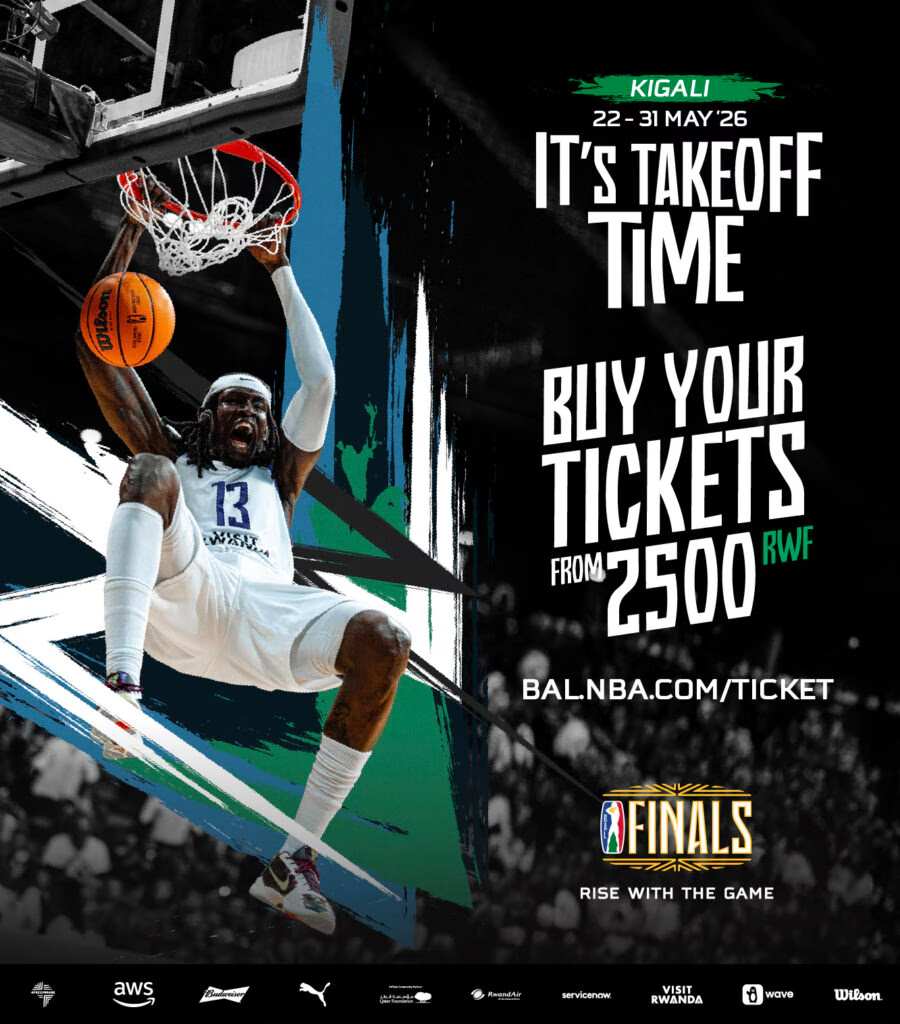

The Basketball Africa League has fast become one of the continent’s most talked-about sports experiments, and a careful review on bal 2026 needs more than a scoreboard rundown. This article steps back to examine context, structure, growth, and the hard questions that determine whether the league is delivering on its promise.
Why the BAL matters beyond basketball
The BAL arrived as a partnership between FIBA and the NBA with ambitions that stretched past wins and losses: talent development, infrastructure investment, and a new entertainment product for African fans. Even critics acknowledge that a pan-African league has symbolic value, a showroom effect that raises the profile of domestic leagues and players across the continent.
Sporting ventures rarely succeed on symbolism alone. To be sustainable, a competition must create economic opportunities, broadcast value, and pathways for players and coaches. The 2026 edition offers an inflection point to judge whether those early ambitions have translated into measurable progress.
Tracing the BAL’s early trajectory
The BAL’s first seasons were experimental by necessity: limited formats, pandemic disruptions, and a learning curve for logistics and broadcasting. What mattered then was proof of concept—could a continental competition be staged with adequate competitive integrity and fan engagement?
Those early years produced mixed signals: energetic arenas in some host cities, but also questions about competitive balance, travel demands, and the depth of talent behind headline stars. By 2024 the league had settled into a recognizable routine, and 2026 provides the first clear opportunity to assess whether those routines have matured into a durable model.
How to evaluate BAL 2026: the right yardsticks
A credible assessment depends on metrics that go beyond who lifted the trophy. Important measures include attendance and viewership growth, the breadth of sponsorship and media deals, player career outcomes, and investments in arenas and youth programs. Qualitative measures matter too: broadcast quality, officiating standards, and narratives that engage local fans.
Use these yardsticks to compare the league’s present state with its founding promises. If more players are securing contracts abroad or domestic leagues are stronger because of BAL exposure, that is real progress even if competitive parity still lags.
Format and calendar: stability versus innovation
One recurring conversation is whether the BAL should prioritize a compact, festival-style season or a stretched, home-and-away calendar that integrates with national leagues. Each choice has trade-offs: compact events can concentrate attention and cut travel costs, while home fixtures build local fan bases and commercial ecosystems.
By 2026, observers should consider whether any format experiments have increased consistent local engagement. If host cities rotate but teams have no regular home crowds, the league risks being perceived as a series of showcase events rather than a living part of African basketball culture.
Teams, qualification and competitive balance
Qualification mechanisms that privilege national champions create linkage between the BAL and domestic competitions, which is a strength. Yet those champions often vary widely in resources, producing lopsided games in early rounds. Competitive balance remains essential for long-term interest.
One avenue to improve parity is investment in coaching and scouting across the continent. If more clubs can recruit, train, and retain talent, the gap between the elite and the rest will narrow. Watch for initiatives that support mid-tier clubs rather than only spotlighting marquee teams.
Talent pipeline: local development versus imports
As with many emerging leagues, the BAL has balanced local player development with the strategic use of foreign imports. Imports can raise the level of play and provide learning opportunities for local talent, but overreliance reduces chances for homegrown players to develop in pressure situations.
Promising signs would include rising numbers of BAL alumni playing in stronger overseas leagues, more national team contributors coming through BAL environments, and youth academy partnerships that tie club success to grassroots development. These are structural shifts that rarely happen overnight but are visible by 2026 if investments were sustained.
Coaching, tactical identity, and game quality
Coaching quality is a quietly decisive factor in league development. Coaches who can fuse domestic playing styles with modern principles—pace, spacing, and defensive cohesion—create a distinct identity and competitive intrigue. Such evolution benefits fans and scouts alike.
Look for a diversification of tactical approaches across clubs in 2026. If teams still rely primarily on a few star scorers and predictable sets, the league’s stylistic development is lagging. Conversely, more nuanced systems, clear defensive schemes, and in-game adjustments indicate maturation.
Standout player archetypes to watch
Rather than naming individuals, it’s useful to identify the player archetypes that tend to carry leagues forward: the floor general who runs tempo and creates for others, the versatile wing who can defend multiple positions, and the mobile big who stretches the floor. These archetypes attract scouts and fit modern basketball’s demands.
If BAL 2026 showcases a deeper pool of each archetype—young guards with pro-level decision-making, wings who defend and shoot, and bigs comfortable outside the paint—that signals the talent pipeline is producing players ready for higher-level leagues and international competition.
Venues and host-city strategy
A stable roster of host cities with proper arenas helps build recurring local interest. Some early BAL games were praised for electric atmospheres in urban centers, but sporadic hosting limits the formation of steady fan cultures. Consistency matters for ticket sales, sponsorship activation, and grassroots engagement.
In 2026, the most positive developments would be investments in arena upgrades, local fan initiatives, and community outreach tied to matchdays. Where host cities pair games with youth clinics and local business engagement, the league succeeds at embedding itself in civic life rather than functioning as a traveling circus.
Broadcasting and digital reach
Broadcast quality determines the league’s ability to reach casual fans across the continent and in diaspora markets. Production standards, commentary quality, camera work, and accessible streaming options are all part of the package. Early on, the BAL benefitted from the NBA’s production expertise, but sustainable growth depends on localized storytelling as well.
By 2026, meaningful increases in viewership—especially on digital platforms—would be a sign that the league is connecting with younger audiences. Pay-TV deals matter for revenue, but free-to-stream options and highlight-friendly short-form content are essential for discoverability and social engagement.
Sponsorships, commercial partnerships, and revenue streams
Sponsorship is the engine that converts attention into financial stability. The BAL’s early corporate partners brought credibility, but a deepening sponsor base requires measurable return on investment for brands. That means clear audience metrics, targeted activations, and community programs that extend a sponsor’s reach.
Look for diversification of revenue: ticketing, merchandise, local sponsorships, and broadcast rights. If by 2026 the league still relies on a handful of headline sponsors without meaningful local commercial ecosystems, growth will be fragile and concentrated in a few pockets.
Merchandising and local market engagement
Merchandise tells a story about fan identity. When fans buy jerseys, scarves, or locally designed apparel, the league’s cultural footprint deepens. Early BAL merchandising was often limited by supply chains and pricing mismatch with local purchasing power.
Progress here includes localized product lines, affordable pricing strategies, and partnerships with local designers. These moves signal that the league recognizes fans as long-term cultural participants rather than one-off spectacle attendees.
Economic and social impact on communities
Sporting events can generate jobs, spark small-business activity, and create platforms for community programs. The BAL’s community initiatives—if replicated and scaled—have the potential to support youth programs, coaching clinics, and facility upgrades in partner cities.
A thorough review will tally not just direct economic indicators but social outcomes, such as increased youth participation in organized sport, scholarships connected to basketball pathways, and measurable upticks in local coaching education. These are durable legacies that matter more than ephemeral headlines.
Refereeing and integrity
Fair play and consistent officiating are critical for credibility. Early concerns in several growth leagues include inconsistent calls, unclear standards, and slow adoption of modern officiating tools. Addressing these issues requires investment in training and technology, plus transparent standards that are communicated to teams and fans.
By 2026, improvements in officiating consistency and clearer communication with stakeholders would indicate institutional strengthening. Persistent controversies without remedial action, on the other hand, erode trust and diminish competitive appeal.
Player welfare and contract transparency
Professionalism includes clear, enforceable contracts, proper medical care, and career support for athletes. As leagues scale, disputes over payments and contract enforcement can become a major reputational issue. Proactive measures like standardized contracts and player unions can reduce friction and provide security for athletes.
Watch whether post-season transfers and contract processes are transparent and whether players report improvements in medical care and travel conditions. These signs matter to players considering BAL as a long-term career destination rather than a short-term stepping stone.
Pathways to elite leagues and national team impact
One of the BAL’s most tangible success metrics is the extent to which it prepares players for higher levels of competition. Scouts watch BAL games, and an increase in successful transitions to top-tier European leagues, the NBA, or Asian leagues is an objective sign of impact.
Another measurable outcome is national team performance. If national squads benefit from a domestic player pool sharpened by BAL competition, that’s a direct contribution to African basketball’s global competitiveness. The linkage from club competition to national performance is an important part of the league’s legacy.
Women’s basketball: an unfinished chapter
Women’s basketball in Africa has strong local traditions, but continental professional competitions have historically received less investment. Observers have called for parallel structures to the men’s BAL that amplify female talent and create equitable development pathways.
If the broader organization supporting the BAL has taken steps to expand or support women’s competitions, that reflects a commitment to long-term growth. Otherwise, the absence of a strong women’s counterpart remains a major omission in the league’s development story.
Youth academies, coaching clinics, and grassroots links
Successful leagues build pipelines starting at the grassroots. Academies that partner with clubs and provide education and life skills alongside basketball create holistic pathways for young players. Coaching clinics spread modern techniques and create a shared language across regions.
By 2026, the presence of sustainable academies and scaled coaching education programs would indicate structural investment rather than opportunistic hype. These investments pay dividends by enlarging the talent pool and improving the general level of play across the continent.
Case studies and real-world examples
Rather than recount specific game results, examine representative case studies that illustrate positive or negative trajectories. For example, a mid-sized club that leveraged BAL exposure to secure local sponsorships, upgrade facilities, and develop youth talent demonstrates a virtuous cycle in action.
Conversely, a team that relied solely on transient imports, failed to cultivate local fans, and folded after a few seasons would illustrate the risks of short-term thinking. These contrasts help explain why institutional depth matters more than individual seasons.
Fan culture: rituals, chants, and local identity
Fan cultures are living things that arise from repeated interactions: bar rituals, chants, pre-game traditions, and local legends. A strong BAL scene is visible when you see repeat attendance, local storytelling about teams, and community rituals linked to matchdays.
Sporadic sellouts for marquee matches are encouraging but not definitive. The real measure is whether fans organize around clubs year-round with local rivalries, watch parties, and youth involvement that extends far beyond the arena on game day.
Digital storytelling and social media
Short-form highlights, player profiles, and behind-the-scenes content are the primary channels through which younger fans discover sports today. Investment in compelling digital storytelling increases the league’s cultural resonance and commercial appeal.
By 2026, successful leagues will have in-house creative teams producing shareable clips, localized content for different languages, and social campaigns that build narratives beyond box scores. If BAL content remains generic or overly formulaic, it misses an opportunity to make stars into household names.
Measuring success: attendance, ratings, and financial health
Attendance and TV ratings are straightforward indicators, but they should be considered alongside revenue diversification and cost control. A league that grows viewership but hemorrhages money on travel and facilities is not healthy in the long run.
Financial prudence combined with incremental revenue-building—from localized sponsorships to merchandising—creates a sustainable model. In 2026, the healthiest BAL scenarios will show measured profitability or at least credible plans to reach it within a few seasons.
Challenges of travel logistics and regional disparities
Africa’s geographic expanse poses logistical challenges that many other leagues don’t face. Air travel costs, visa issues, and inconsistent facilities across countries complicate scheduling and increase costs for teams. These practical problems can undermine competitive fairness and financial planning.
Successful mitigation strategies include regional groupings, hub-based tournament weeks, and partnerships with airlines or governments to smooth logistics. The degree to which these issues are resolved by 2026 will influence the league’s long-term viability.
Relationships with domestic leagues and federations
The BAL exists within an ecosystem of national federations and domestic leagues, and those relationships can either be supportive or adversarial. Harmonious coordination allows for scheduling that benefits players and coaches; antagonism leads to fragmented calendars and player availability issues.
Indicators of maturity include synchronized calendars, shared revenue opportunities, and joint development programs. If those relationships remain ad hoc or purely transactional, the league’s ability to foster consistent growth is limited.
Regulatory standards and governance
Good governance—clear rules, transparent finances, and consistent enforcement—creates investor confidence and player trust. Governance failures in sports often appear gradually but can cause sudden reputational damage when they surface.
By 2026, observers should look for evidence of robust governance structures: independent audits, clear competition rules, and transparent stakeholder engagement. These are the scaffolding upon which credible leagues are built.
Comparisons with other regional leagues
Comparisons are useful when they illuminate trade-offs. The BAL differs from European domestic leagues in scale, funding sources, and infrastructure, but useful lessons can be drawn about youth systems, commercial models, and broadcast packaging.
Where the BAL succeeds is in leveraging continental identity and the diaspora’s interest. Where it can learn is in building deep club roots and multi-year commercial partnerships that underpin long-term planning rather than short-term spectacle.
What success stories look like on the ground
Success is visible in specific outcomes: a city that upgrades an arena, a youth academy producing multiple professionals, or a junior national team that improves due to more players competing at higher levels. These are the concrete markers that suggest deeper change.
Success also appears in narratives: a local star becomes a role model, coaches move between clubs offering higher salaries, and sponsors invest in community programs tied to the sport. These human stories matter as much as spreadsheets when judging impact.
Where the BAL should be careful
There are clear pitfalls: over-expansion without support structures, ignoring grassroots development, and prioritizing short-term marketing stunts over long-term community ties. Leagues that scale too fast often fail to institutionalize the support required at club level.
Practical warnings include watching for debt accumulation, inconsistent player payments, and a failure to localize content. Addressing these vulnerabilities requires deliberate planning and fiscal discipline from organizers and clubs alike.
Recommended priorities for stakeholders
Practical priorities include investing in youth development, improving broadcast quality, and formalizing player welfare standards. Another priority is to strengthen ties with domestic federations to harmonize calendars and share benefits more equitably.
Sponsors should be encouraged to invest in local activations and community programs, not just logo placements. Finally, building a diverse revenue mix—ticketing, media, sponsorship, and merchandise—reduces the league’s exposure to single-point failures.
How fans can help build the league
Fans are not passive consumers; they are builders of culture. Regular attendance, local club membership, and engagement on social channels help create a stable base. Small acts—wearing local club colors, attending youth events, and supporting local vendors—aggregate into sustainable ecosystems.
Fan-led initiatives like independent supporter groups and volunteer matchday stewards also add value. Where fans are active stakeholders, clubs tend to find clearer identities and stronger local sponsors willing to invest in long-term partnerships.
Balancing local pride with continental ambition
One tension is balancing club and national loyalties with a pan-African competition’s ambitions. The most resilient model is one where local clubs retain strong community roots while leveraging continental exposure to attract resources and talent.
This dual identity—local heart, continental reach—creates durable narratives that fans can embrace. If BAL 2026 shows clubs that have deepened local ties while gaining continental recognition, that balance will be evident in the stands and the sponsor books.
Risks and contingencies to monitor
Key risks include financial overreach, geopolitical disruptions that affect travel, and health crises that can interrupt seasons. Contingency planning—insurance, flexible schedules, and strong communication protocols—reduces the damage from such shocks.
Climate and infrastructure-related risks are also relevant: reliable power, safe transport to arenas, and sanitary facilities matter for attending fans and players alike. Addressing these practicalities is often as important as the sport itself.
Longer-term cultural and sporting impact
The deepest impact would be a generation of players and fans for whom BAL is part of their sporting identity. That means aspirational stories about young athletes, coaches moving across borders, and stable clubs that produce social value in their communities.
Such cultural shifts are slow, but by 2026 early indicators should be visible: regular youth participation, media narratives focused on club rivalries, and alumni who use their platforms to give back to local communities.
Short checklist for assessing the 2026 season
- Attendance trends and geographical spread of fans
- Viewership numbers on broadcast and streaming platforms
- Evidence of player career progression post-season
- Consistency and transparency in governance and contracts
- Local sponsorship depth and merchandise uptake
- Integration with domestic leagues and federations
This checklist provides a quick, practical way to gauge whether the league’s strategic foundations are strengthening or if attention should remain focused on operational fixes.
Sample timeline of meaningful milestones to look for
| Milestone | How it looks | Why it matters |
|---|---|---|
| Expanded broadcast deals | More free and subscription platforms carrying games across regions | Increases revenue and discoverability |
| Academy-to-pro pathways | Youth academies consistently feeding club rosters | Secures long-term talent supply |
| Sustainable revenues | Balanced income from media, ticketing, and sponsors | Reduces dependence on a few large backers |
These milestones are signals of institutional growth rather than merely episodic success; their presence or absence helps define the league’s trajectory.
Personal perspective on watching the BAL evolve
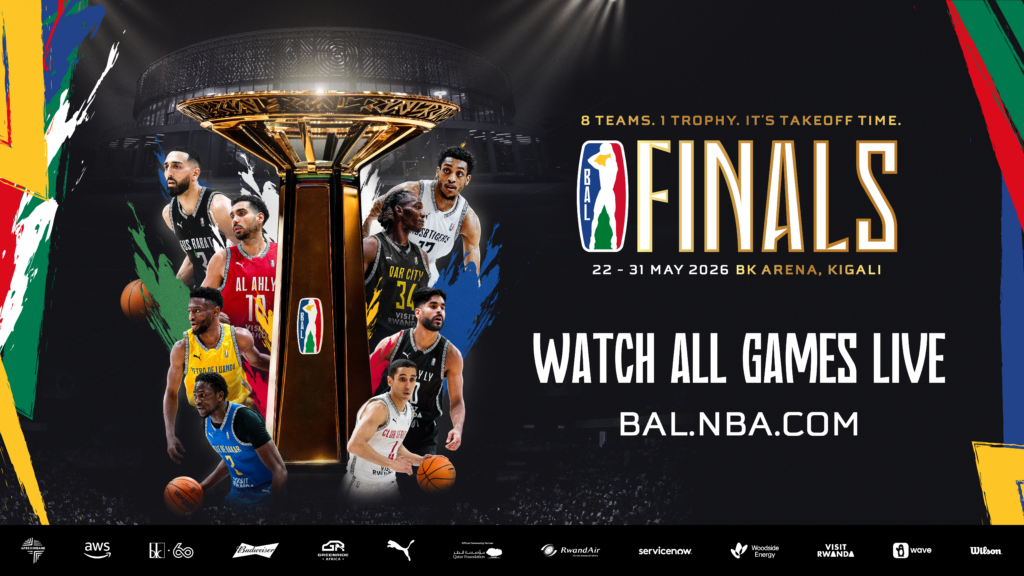
From the vantage point of an observer tracking the league’s rise, the most compelling moments have been human ones: a small club winning an upset, a local player earning respect on an international stage, or a community rallying around a team. These moments reveal potential that statistics alone cannot capture.
That said, the romance of underdog stories must be matched with sober institutional work: contracts, facilities, coaching development, and commercial partnerships. If BAL 2026 combines memorable nights with structural solidity, it will have taken an important step forward.
Questions journalists and analysts should keep asking
Critical inquiry keeps leagues honest. Journalists should focus on financial transparency, player welfare, and the measurable social impact of the league’s programs. Analysts should interrogate viewership metrics and sponsorship ROI to clarify whether growth is substantive.
Ongoing scrutiny of governance structures and stakeholder relationships ensures that growth is not just surface-level. Robust public reporting and independent auditing help build trust with fans and investors alike.
What success looks like for different stakeholders
Stakeholders have varied criteria: fans want entertaining games and local stars; players want stable contracts and career pathways; sponsors want measurable engagement; federations want stronger national teams. A balanced approach satisfies these needs simultaneously.
By 2026, the best-case scenario is one in which these stakeholder objectives align more often than not: competitive games, healthy player mobility, local commercial activation, and improved national team performances driven by a deeper talent pool.
Final observations: reading the 2026 season as a turning point
Whether BAL 2026 is seen as a turning point depends on the combination of on-court quality and off-court institutional development. Single-season fireworks are exciting, but durable progress requires systems that support clubs, players, and fans year-round.
A useful review will therefore balance narrative moments with structural analysis. When the dust settles, the most compelling evidence of success will be repeatable outcomes—improved player careers, deeper local engagement, and sound financial footing—that point toward a genuinely mature continental competition.