
The way we find, make, and value music has been reinvented in the span of a single streaming playlist. Audiences are global, tools are affordable, and trends move at the speed of a scroll, yet nights at small clubs still hold the same private thrill they did decades ago.
This article traces the major forces shaping contemporary music, from streaming economics and genre cross-pollination to the rising role of technology in creation and performance. Along the way I’ll share observations from years of attending shows, sitting in studios, and talking with artists who are navigating this dizzying landscape.
The streaming era: scale, scarcity, and shifting rewards
Streaming changed the basic math of music: consumption moved from ownership to access, and that shift rewrote revenue models overnight. A tiny independent release can now reach a million people, but the per-play payouts that underpin that reach are uneven and often inscrutable.
The result is a landscape of abundance where attention has become the scarcest resource. Platforms compete for listeners and promote catalogues via playlists, algorithmic mixes, and curated features that can turn obscure songs into overnight sensations.
How revenue flows and what it means for artists
Money in the streaming era comes from a few sources: subscription fees, ad revenue, and licensing deals. Those pots are then split among rightsholders—labels, publishers, and, finally, artists—often leaving performers with a fraction of what their play counts suggest.
Independent musicians have responded by diversifying income: merchandise, sync licensing, live performances, and fan subscriptions all supplement streaming income. The new career model is rarely a single reliable paycheck; instead it’s a portfolio built around multiple revenue streams.
Playlist power and the attention economy
Playlists are the modern radio, but with thousands of niche channels and algorithmic curation that adapts in real time. Landing on a major playlist can mean millions of streams, while the absence of playlist support can make even strong music hard to discover.
Algorithms favor engagement metrics—completion rate, saves, skips—so songs optimized for short attention spans can get a boost. That has influenced song lengths, introductions, and even lyrical hooks, as creators learn to tailor music to platform behaviors.
Artists and careers in a DIY era
Thanks to affordable home-recording gear and cloud distribution, more people than ever can release music without a label. That democratization has increased creativity and competition at the same time, creating opportunities for artists who can pair craft with entrepreneurial instincts.
Being a musician now often means being a marketer, manager, and community-builder. Those additional roles can energize careers or exhaust creators, depending on resources, support networks, and temperament.
Direct-to-fan strategies and income diversification
Artists are embracing direct relationships with fans through platforms like Bandcamp, Patreon, and Telegram channels. These spaces allow musicians to sell music, host exclusive sessions, and offer tiered perks that create dependable monthly income.
Touring and merchandise remain vital. Limited-run physical releases—vinyl, cassettes, art books—cater to superfans and provide margins that streaming rarely does. Sync placements for film, TV, and ads also increasingly bridge the gap between exposure and sustainable revenue.
Simple checklist for building a resilient career
1. Build a direct-to-fan channel that you control and update regularly.
2. Diversify income through merch, sync, teaching, or production work.
3. Maintain an online presence that reflects your identity and purpose without copying platform gimmicks.
Mental health, burnout, and creative cycles
The blurring of boundaries between work and promotion is not only logistical; it’s emotional. Constant content demands and the pressure to monetize creativity contribute to burnout for many musicians.
I’ve sat in small studios with artists who felt they were constantly performing twice: once on stage and again behind a screen pitching the show. Sustainable careers often include explicit boundaries, trusted collaborators, and periods designed just for making music without deliverables.
Genres, fusion, and the new global conversation
Genre lines have softened. Artists borrow freely across traditions and languages, and streaming exposes listeners to global sounds that previously might have taken years to reach them. That cross-pollination results in vibrant hybrids and new movements.
Music scenes that once relied on geographic proximity now form online, connecting diasporas and younger listeners to styles from distant places. The result is a cultural exchange that reshapes taste and creates fresh commercial pathways.
How borders blurred: Afrobeat, K-pop, and Latin music
Afrobeat’s rise in global charts, K-pop’s stadium-level fandom, and the mainstreaming of reggaetón and Latin trap illustrate how non-English music now commands global attention. Collaborations between artists of different origins have normalized multilingual hits.
Major industry players now seek to build local partnerships and talent pipelines in regions once considered niche. The music business is no longer centered solely in a handful of Western cities; opportunities are flourishing across continents.
Microgenres, internet communities, and niche flourishing
The internet breeds microgenres—hyper-specific styles defined by mood, tempo, or production quirks. SoundCloud-based scenes, bedroom-pop collectives, and experimental modular synth communities can all grow global followings without mainstream radio play.
These niche communities are often tight-knit and passionately curated, which creates a deeper sense of belonging for fans and greater artistic freedom for creators who can sustain small but devoted audiences.
Technology reshaping creation and performance
Technological advances have altered both the tools and the grammar of music. From software instruments to affordable studio monitors, creators now have unprecedented control over production quality and sonic experimentation.
At the same time, new playback formats, immersive audio, and data analytics change how music is mastered and marketed. Technology is not merely a production aid; it’s a creative partner that influences artistic choices.
Home studios, software, and AI-assisted production
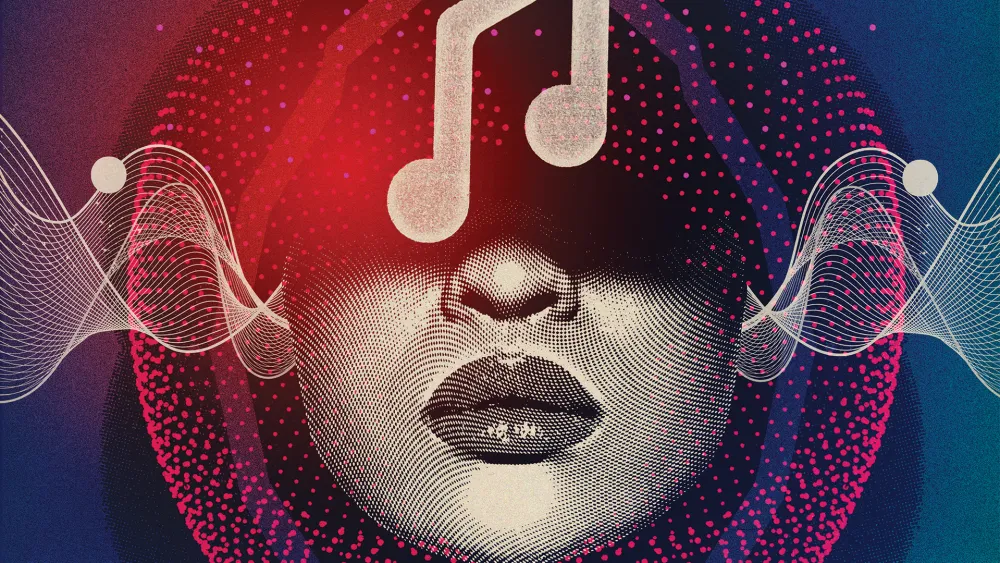
High-quality recordings can be made in bedrooms with modest budgets, thanks to powerful digital audio workstations and virtual instruments. That access has blurred the line between amateur and professional production value.
AI tools have entered the creative toolkit, assisting with tasks from chord progression suggestions to vocal tuning and beat generation. For many musicians, these tools are time-savers; for others, they raise questions about authorship and originality.
Live performance, livestreams, and hybrid shows
Live music returned after pandemic restrictions, but the live experience now often blends digital and physical elements. Artists stream concerts to global audiences while also hosting intimate in-person gigs that prioritize connection.
Hybrid shows—small, ticketed in-person events simultaneously streamed to online audiences—offer new revenue channels and broaden reach. The challenge is maintaining the energy of a live moment while serving viewers across time zones and latency constraints.
Rights, royalties, and legal battlegrounds
Who owns a song has always mattered, but the streaming era has intensified debates over fair pay and transparent accounting. Artists are increasingly vocal about licensing terms and negotiating better splits for creators.
At the same time, legal disputes around sampling, interpolation, and digital rights management keep the field lit. The law is trying to keep pace with creative practices and faster, more complex distribution channels.
Copyright, sampling, and the rise of generative music
Sampling has long been foundational to certain styles, but legal entanglements can be costly. Clearances are often necessary for commercial releases, and high-profile lawsuits have shaped how producers approach source material.
Generative music and AI-created tracks complicate ownership further. If an algorithm contributes substantially to a composition, questions arise about who owns the resulting work and how royalties should be assigned.
Musician advocacy, unions, and collective efforts
With royalties fragmented across platforms and intermediaries, collectives and unions have gained renewed importance. Groups advocate for transparent pay, fair licensing, and protections for touring musicians.
Public campaigns and policy pressure have occasionally resulted in platform concessions or new laws, but durable change often requires sustained organizing and coordinated action across markets.
The role of labels, publishers, and new business models
Record labels and publishers remain influential, but their roles are shifting. Services that once offered marketing, distribution, and financing now compete with self-service platforms and boutique firms specializing in artist development.
Modern deals are more varied: from classic record contracts to distribution-only agreements and equity-sharing arrangements that reflect artists’ needs for control and flexibility.
Traditional deals vs new distribution platforms
Traditional label deals can provide substantial advance funding, marketing muscle, and radio promotion. Labels still open doors, especially for acts seeking mass-market penetration and tour support.
Meanwhile, distributors and aggregators offer straightforward upload-and-release services with optional marketing packages. The trade-off is often reduced investment in artist development in exchange for greater ownership and higher per-unit receipts.
| Option | Typical benefits | Typical drawbacks |
|---|---|---|
| Major label deal | Advance money, promotion, infrastructure | Less control, complex recoupment |
| Independent label | Closer artist support, flexible deals | Smaller marketing budgets |
| Distributor/aggregator | Control retained, higher per-stream income | Less promotional muscle |
Publishing, sync, and the long tail of opportunities
Publishing deals and sync placements can turn catalog into durable revenue. TV shows, films, commercials, and online content still need music, and licenses can be lucrative and reputation-building.
For many artists, cultivating relationships with music supervisors, creating catalog-friendly tracks, and collaborating with licensing-focused publishers is an essential part of career strategy.
Cultural impact: politics, identity, and community
Music remains a vehicle for political expression, identity formation, and communal healing. Songs and artists often become symbols around which movements and conversations coalesce.
As streaming amplifies voices, marginalized communities find broader platforms and new ways to influence mainstream culture. That visibility reshapes social narratives and opens dialogues that were harder to reach before.
Protest songs, representation, and visibility
From intimate protest tracks to massive benefit concerts, music continues to respond to social issues. Artists use their platforms to spotlight causes, fundraise, and coordinate with activists, sometimes changing public perception.
Representation in mainstream charts and festivals has improved in some areas but remains uneven. Increased visibility of diverse artists has cultural consequences beyond the music industry, influencing fashion, politics, and public discourse.
Music as language: community and belonging
Beyond commerce and politics, music binds people. Local scenes, campus radio stations, and neighborhood venues cultivate shared identity in ways that globalized streaming cannot fully replicate.
These communities provide feedback, mentorship, and a safety net for experimentation. They also remind us that music’s primary purpose is often emotional connection, not metrics or monetization.
What listeners want: curation, depth, and meaningful discovery
Listeners today want both convenience and meaning. Quick playlists satisfy mood needs, but there’s also a hunger for deeper engagement—album experiences, liner notes, and artist backstories.
Curators who can translate that depth into discoverable formats hold significant influence, whether they are radio hosts, playlist editors, podcasters, or fans sharing on social platforms.
Practical tips for discovering music in noisy times
1. Follow a few trusted curators instead of endless algorithmic serendipity to build a steady stream of quality finds.
2. Allocate listening time for full albums and live sets to appreciate context and development beyond singles.
3. Attend local shows and community events; discovery is often richer in person than through a feed.
Education, mentorship, and passing knowledge forward
The democratization of tools has made musical education more accessible, but mentorship still shapes careers. Workshops, online masterclasses, and peer feedback remain crucial for artistic growth.
Experienced producers and touring musicians who teach or mentor create ripple effects in scenes, helping new generations avoid avoidable mistakes and develop sustainable practices.
Programs and pathways that actually help
Effective programs combine hands-on training with business skills: contract literacy, budgeting, promotion basics, and mental health resources. The best initiatives pair technical training with industry mentorship.
When I volunteered to teach a small beat-making workshop, the most common surprise among attendees was how little anyone had discussed copyright basics. That gap is a simple barrier we can address with better education.
Data, analytics, and the art of interpreting numbers
Data gives artists and teams insights: where listeners live, which tracks convert to merch sales, and which playlists drive long-term growth. But raw numbers need context and a hypothesis to be useful.
Overemphasis on short-term metrics can stifle experimentation, while thoughtful use of analytics informs tour routing, promotional timing, and setlist choices in ways that respect artistry and audience patterns.
What smart analytics looks like
Smart analytics treat data as a conversation starter, not an oracle. Look for patterns over time—persistent regional interest, festival spikes, or repeated playlist additions—and use those to test small, reversible bets.
A friend in artist management uses streaming geography to plan micro-tours: two or three cities with high engagement rather than a long, unfocused run. It keeps costs down and builds momentum where the audience already exists.
Challenges and ethical considerations with new tech
Emerging technologies can empower artists but also create ethical dilemmas. Deepfake vocals, AI-generated likenesses, and automated mastering systems must be handled with care to avoid exploitation or cultural erasure.
Artists and platforms alike must weigh innovation against consent, cultural sensitivity, and fair compensation. The technology itself does not carry ethics; people do.
Questions creators and platforms should ask
Who benefits financially from this technology? Are creators and original artists being credited and compensated? Does the tool respect cultural origins of sampled or emulated styles?
Transparent answers to those questions build trust and long-term viability for both creators and the businesses that serve them.
Looking ahead: resilient careers and evolving ecosystems
The music industry continues to shift, but some constants remain: compelling songs, human connection, and artists who find audiences by being honest and persistent. Building resilience means staying adaptable without losing craft.
Investing in community, thoughtful use of technology, and diversified income strategies will help artists navigate whatever the next platform cycle brings. The brightest careers are rarely those that chase every trend; they are built on consistent work and meaningful relationships.
The music world today is complex and exhilarating. It offers more opportunities for expression and connection than any previous moment, while also demanding new skills and vigilance. For listeners, creators, and industry professionals alike, the task is to keep the human impulse at the center—making and sharing music that matters, in whatever form that takes.