For years, lithium-ion batteries have powered the modern world. From smartphones and laptops to electric vehicles and renewable energy storage systems, lithium has become one of the most valuable materials in the global energy transition.
However, a new technology emerging from China could change that future.
Researchers are developing advanced sodium-ion batteries, a new generation of energy storage systems designed to reduce dependence on lithium while offering lower costs and easier access to raw materials.
Among the scientists leading this transformation is Lu Yaxiang, a researcher and professor at the Institute of Physics under the Chinese Academy of Sciences, who has spent more than a decade working to make sodium-based batteries commercially competitive.
The scientist behind China’s sodium battery ambitions
Lu Yaxiang’s work focuses on solving one of the biggest challenges facing sodium-ion batteries: improving their performance to compete with lithium technology.
In April 2026, Lu was among the researchers recognized with the China Youth May Fourth Medal, a national honor awarded to outstanding young contributors in science and other fields.
Her research has focused on creating sodium batteries that can charge faster, last longer, and become practical for large-scale use.
One of the key achievements associated with this research is a sodium battery design capable of extremely rapid charging, reportedly reaching full charge in around four minutes while maintaining strong cycle performance.
Why the world is searching for a lithium alternative
Lithium has transformed industries, especially electric vehicles. But its growing demand has created challenges.
The production of lithium batteries depends on minerals that are limited, expensive to extract, and concentrated in specific regions around the world.
China, which dominates global battery manufacturing, has been investing heavily in alternative technologies to strengthen its energy security.
Sodium offers a major advantage: it is far more abundant than lithium.
Unlike lithium, which requires complex mining operations, sodium can be found widely, including in common salt and seawater.
This could make future batteries cheaper and reduce pressure on global mineral supply chains.
Sodium batteries could lower the cost of electric vehicles
The electric vehicle industry is one of the biggest markets for battery technology.
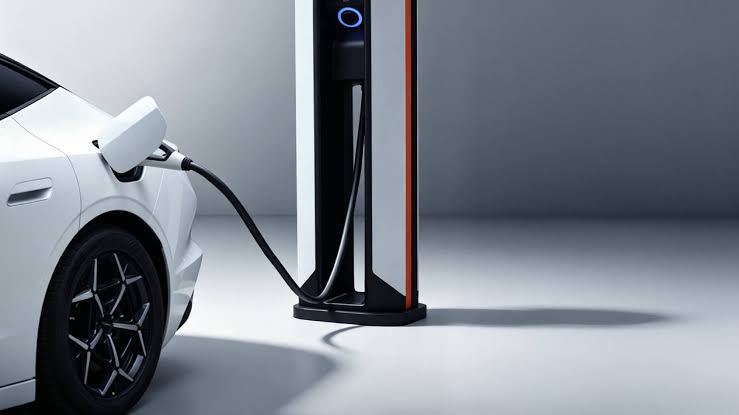
Currently, lithium-ion batteries remain the preferred option because they store more energy in a smaller space.
However, sodium batteries could become an attractive option for affordable electric cars, city vehicles, buses, and vehicles where cost matters more than maximum driving range.
Recent developments show that Chinese companies are already moving sodium technology toward commercial applications, including electric vehicles and large-scale energy storage systems.
The biggest advantage: availability and sustainability
One of the strongest arguments for sodium batteries is resource availability.
Lithium demand has increased rapidly because of electric vehicles and renewable energy projects. This has raised concerns about future supply and price stability.
Sodium, however, is widely available and significantly cheaper.
Experts believe this could help countries reduce battery production costs and make clean energy technologies accessible to more people.
For developing countries, cheaper battery technology could accelerate access to solar energy storage, electric transport, and reliable power systems.
The challenge that sodium batteries must overcome
Despite their promise, sodium-ion batteries are not yet ready to completely replace lithium.
The main challenge is energy density.
Many sodium batteries still store less energy compared with advanced lithium batteries, meaning they may require larger battery packs to deliver the same amount of power.
Lithium batteries remain dominant in applications where weight and size are critical, such as high-performance electric vehicles and aviation technology.
Researchers are therefore focusing on improving materials, increasing storage capacity, and extending battery life.
From laboratories to real-world applications
The future of sodium batteries is no longer limited to research laboratories.
China has already begun developing large-scale sodium battery storage projects designed to support electricity networks.
These systems can store power generated from renewable sources such as solar and wind energy and release it when demand increases.
This makes sodium technology especially attractive for countries looking to expand renewable energy while reducing dependence on fossil fuels.
Could sodium replace lithium in the future?
Experts believe the future energy market may not belong to only one battery technology.
Instead, lithium and sodium batteries could serve different purposes.
Lithium may continue dominating high-performance applications, while sodium could become the preferred choice for affordable electric vehicles, energy storage facilities, and cost-sensitive markets.
The rapid progress of sodium-ion technology shows that the global battery race is entering a new phase.
A new chapter in the global energy race
China’s progress in sodium battery technology represents one of the most important developments in the search for alternatives to lithium.
A battery that charges faster, uses more abundant materials, and costs less could transform industries ranging from electric vehicles to renewable energy.
Although sodium batteries still face technical challenges before fully competing with lithium, continued research and investment suggest they could become a major part of the world’s energy future.
The next revolution in batteries may not come from discovering a new source of lithium, but from finding a smarter way to use the resources already available around us.