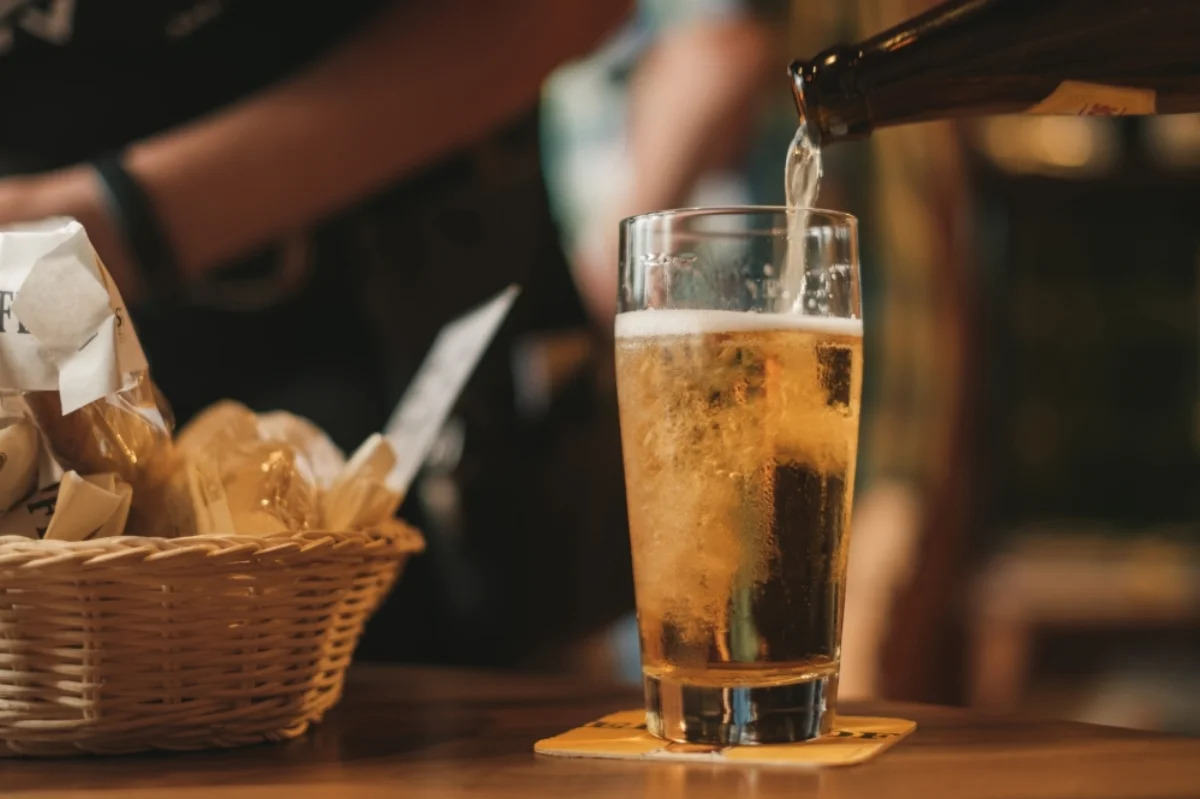

Rwanda is experiencing significant changes in family dynamics as new statistics reveal two contrasting trends: alcohol consumption is declining, while divorce cases continue to increase.
Although both developments are happening at the same time, experts caution that the figures do not prove a direct connection between reduced alcohol consumption and rising divorce rates.
Instead, they argue that family breakdown is influenced by multiple factors, including economic challenges, domestic conflicts, changing social values, and increased awareness of individual rights.
Alcohol consumption shows a decline
According to the Rwanda Demographic and Health Survey (RDHS 2025), alcohol consumption among men aged 15–59 has decreased compared to previous years.
The RDHS 2019–2020 report showed that 54.5% of men in this age group had consumed alcohol at least once in the month before the survey.
In the RDHS 2025 findings, the figure declined to 51.4%, representing a 3.1 percentage-point decrease over five years.
The decline may reflect several factors, including health awareness campaigns, changing lifestyles, and economic considerations.
Divorce cases continue to rise in Rwanda
While alcohol consumption has declined, official statistics show that divorce cases approved by courts have continued to increase.
According to Rwanda’s National Institute of Statistics, recorded divorces rose from 1,918 cases in 2021 to 2,188 in 2022, 2,403 in 2023, 2,511 in 2024, and 2,629 in 2025.
The increase represents more than 700 additional divorce cases within four years.
Is alcohol still a major factor behind family conflicts?
Alcohol misuse has historically been associated with domestic conflicts and family challenges.
However, the current statistics present a more complex picture. Even as alcohol consumption declines, divorce rates continue to rise.
Experts explain that marriage breakdown cannot be attributed to a single cause. Instead, it often results from a combination of social, economic, and personal factors.
Changing attitudes toward marriage and personal rights
Researchers say Rwanda’s society is undergoing social transformation.
More people are becoming aware of their legal rights and are increasingly willing to address issues such as domestic violence, inequality, and unhealthy relationships.
While these changes have contributed positively to protecting individuals and promoting equality, they have also influenced how people view marriage, commitment, and separation.
Experts emphasize that promoting rights and equality should go hand in hand with strengthening family education.
They highlight the importance of communication between couples, conflict resolution skills, counseling services, and building healthier relationsh
Rwanda’s recent statistics reveal a changing family landscape: alcohol consumption is declining, while divorce cases are increasing.
However, these trends do not necessarily mean that one causes the other. Instead, they reflect broader social changes affecting how people understand marriage, relationships, and personal rights.
As Rwanda continues to develop socially, experts believe that strengthening family support systems will be essential in building stable and resilient families.